
Here's how to read a wine label. If you’ve ever ambled down the aisles of a wine shop, staring at bottle labels and not understanding half of what you’re reading—you’re not alone! Wine is a very complex subject—but it becomes a lot less intimidating once you’re familiar with some basic terms.
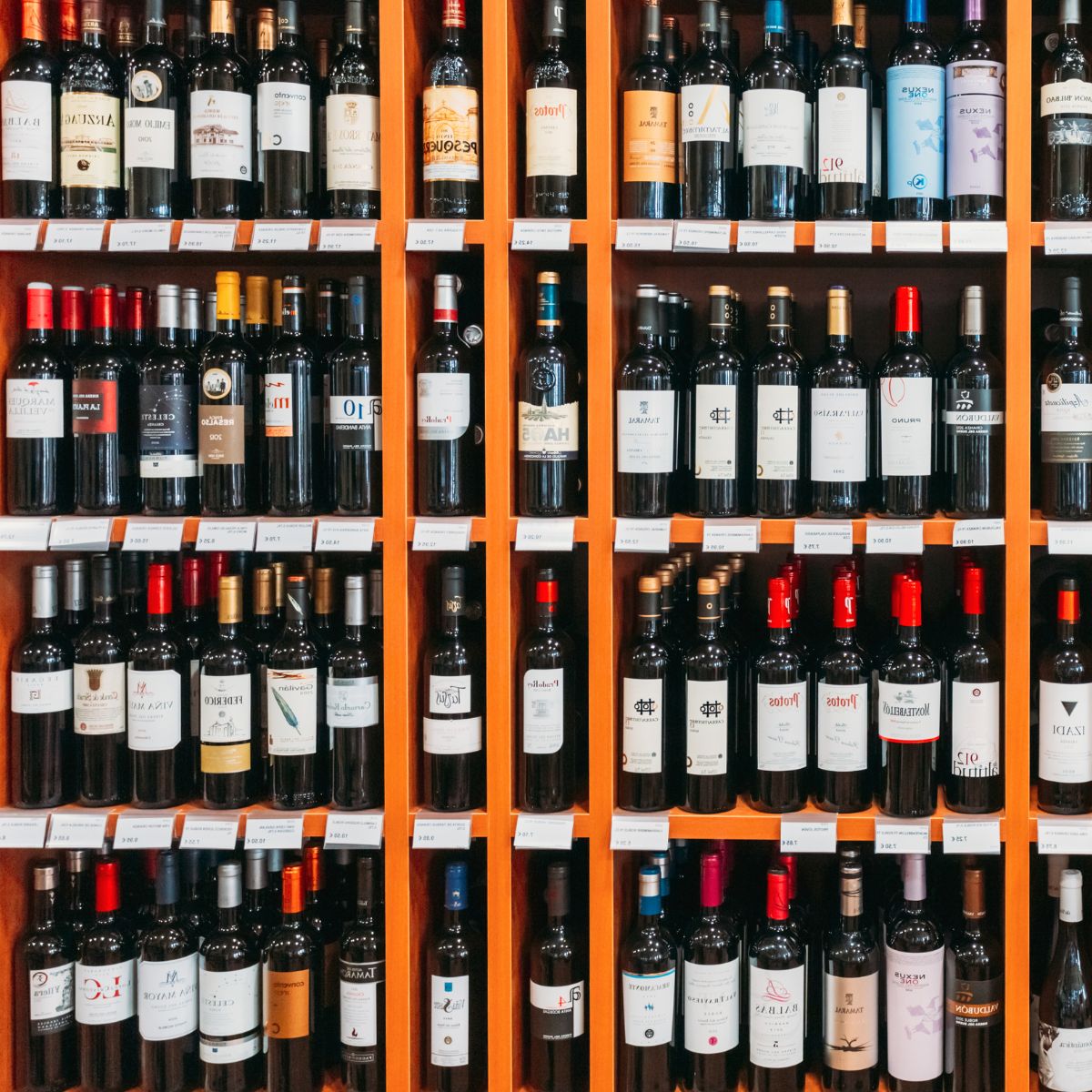
You’ll frequently see these 8 terms on wine labels or when reading about wine. They don’t describe a wine’s taste necessarily, but offer info about the wine’s origin and the way it was made, both of which affect the quality and character of the wine.
Wine Label Terms
- Alcohol in wine means how much alcohol it has, usually between 13% and 15% for regular wines. This alcohol amount affects how rich and full the wine feels, and also how strong the flavor is. Wines with less alcohol feel lighter, while too much alcohol can make them taste too ripe and unbalanced.
- Appellation tells you where the grapes were grown and the wine was made. This is especially important for French wines, which use place names instead of grape types. It's like the region where the wine comes from.
- Cru is a fancy French word for a really good vineyard or estate. This matters a lot in places like Burgundy and Champagne, where the best vineyards are called premier cru and grand cru.
- Cuvée means a mix; if a wine says "cuvée" on the label, it's a mix of lots of different wines blended together. Estate-bottled wines come from a winery's own vineyards. It's basically a fancy way of saying the winery grew the grapes and made the wine themselves.
- Estate-bottled is really just another word for a wine farm. It means the company that grew the grapes and made the wine also put it in the bottle. So, from start to finish, they're in charge of the whole process. Even if the winery doesn't own the vineyards, they still have to control them and take care of them. It's all about making sure they're responsible for everything from growing the grapes to getting the wine ready to drink.
- Reserve is a tricky term in the wine world. It should mean the best wine a winemaker makes, but sometimes it's used on cheap, mass-produced wines just to sound fancy.
- Varietal wines are made from one type of grape, and the name of that grape is on the label. For example, if a wine is called Merlot, it has to be at least 75% Merlot according to US law.
- Vintage shows the year the grapes were picked and the wine was made. Most wines say what year they're from on the label, but some are blends of different years, called nonvintage (NV) wines.
Words that describe how wine tastes
Learning them helps you understand wine reviews and guides, and figure out what you like in wine.
- Acidity talks about how sour a wine is. A wine might be described as crisp or soft depending on how sour it is. Wines with lots of acidity might be called crisp or zesty, while those with less are soft, and wines with too little are often called flat. Acidity makes wine taste lively and goes well with food.
- Balance means everything in a wine fits together well. A balanced wine has a nice mix of fruity, sour, strong, and tannic tastes, with nothing too overpowering.
- Body tells you how thick or light a wine feels in your mouth. Heavy, rich wines are full-bodied, while light, airy wines are light-bodied. Medium-bodied wines are in between.
- Complexity is about how many different flavors and smells are in a wine. The more layers of flavor and smell, the more complex and high-quality the wine.
- Corkiness happens when a wine's cork is bad. Corked wines smell and taste musty or like wet cardboard.
- Finish is the taste that stays in your mouth after you swallow. The longer it lasts, the better the wine usually is.
- Legs are the lines of wine that stick to the glass after you swirl it. They can tell you how much alcohol or sugar the wine has.
- Sweetness or dryness is about how much sugar is in the wine. Some wines are very dry, while others are sweet like dessert. Most wines are in between.
- Tannins come from grapes and barrels and make your mouth feel dry. Wines with lots of tannins feel chewy, while those with fewer feel soft.
- Oaky wines have a toasty, vanilla flavor from aging in oak barrels. Too much oak can make a wine taste unbalanced.
- Earthy wines smell and taste like minerals or rich soil. They often show where they were made, which adds to their complexity.
Get a Free e-cookbook!
Let's connect!
Be sure to FOLLOW US on FACEBOOK, INSTAGRAM, TIKTOK and PINTEREST Many thanks!
Leave a Comment